


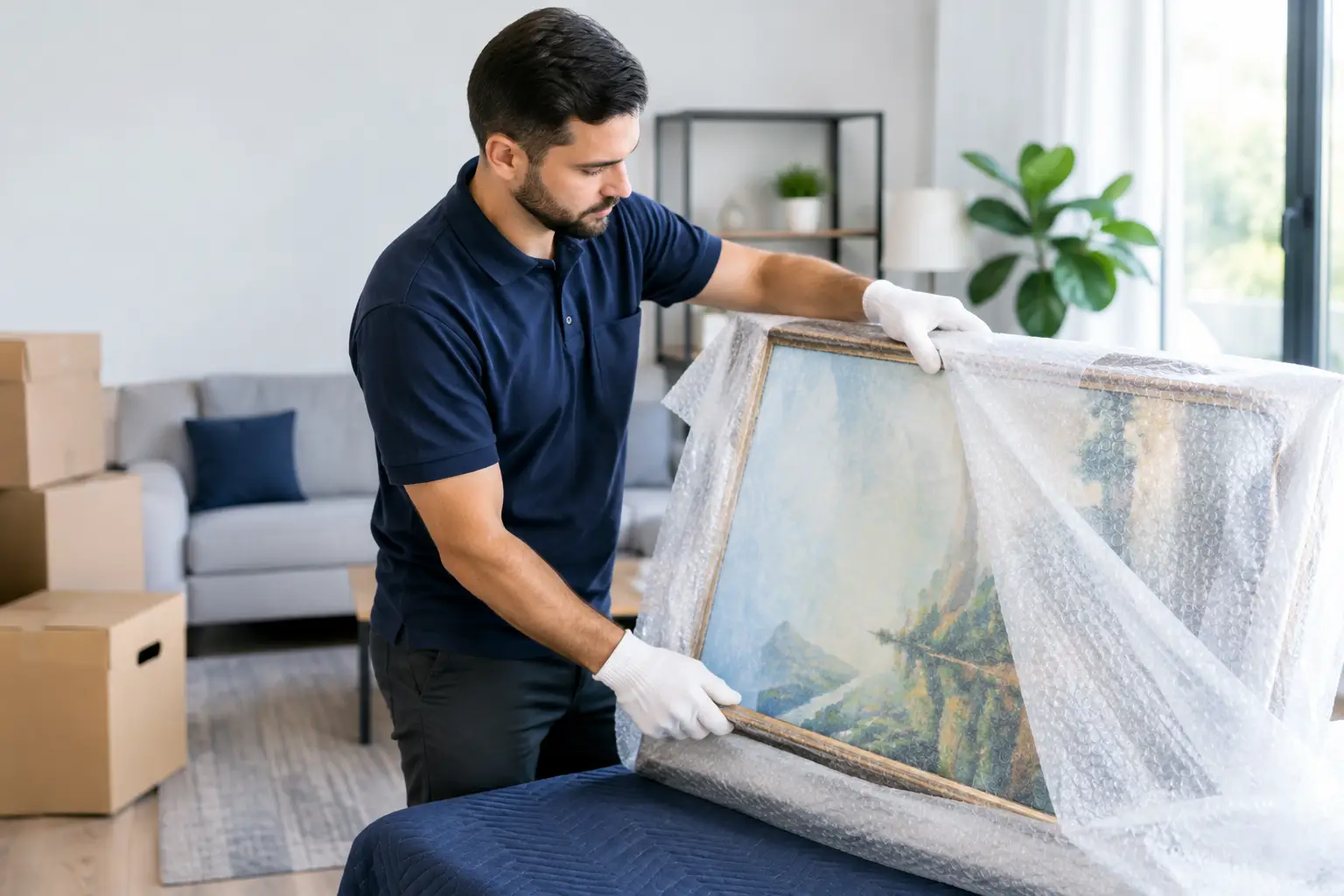
A specialty item moving guide starts with one practical rule: if an item cannot be safely lifted, secured, or replaced without major cost or disruption, it needs its own moving plan. A piano, gun safe, antique armoire, commercial copier, oversized artwork, or delicate glass cabinet should not be treated like an ordinary box or piece of furniture. The right preparation protects the item, the property, and the people handling it.
Specialty moves require more than extra muscle. They require accurate measurements, appropriate equipment, a clear route through the building, and a crew that knows when to stop and reassess. Planning these details before moving day is usually what prevents damage, delays, and last-minute changes in cost.
What Makes an Item a Specialty Move?
Weight is one factor, but it is not the only one. Some items are difficult because their weight is concentrated in a small area, which makes them unstable or hard to grip. Others are unusually fragile, valuable, oversized, or awkwardly shaped. A heavy safe can damage floors if it is rolled incorrectly. A large mirror may weigh relatively little but can crack from a single point of pressure. A grandfather clock has internal parts that need to be secured before it is moved.
Common specialty items include pianos, safes, pool tables, large appliances, antiques, chandeliers, artwork, aquariums, exercise equipment, server racks, medical equipment, and commercial office machines. Each has different packing and handling requirements. That is why a general estimate based only on room count can miss important details.
When requesting moving service, identify specialty items early. Provide photographs, dimensions, approximate weight if known, and the pickup and delivery conditions. Mention stairs, elevators, narrow hallways, long carries, steep driveways, parking restrictions, and whether an item must be disassembled. Good information allows a moving company to assign the right crew, equipment, and time.
Specialty Item Moving Guide: Plan the Route First
Before packing begins, map the route