


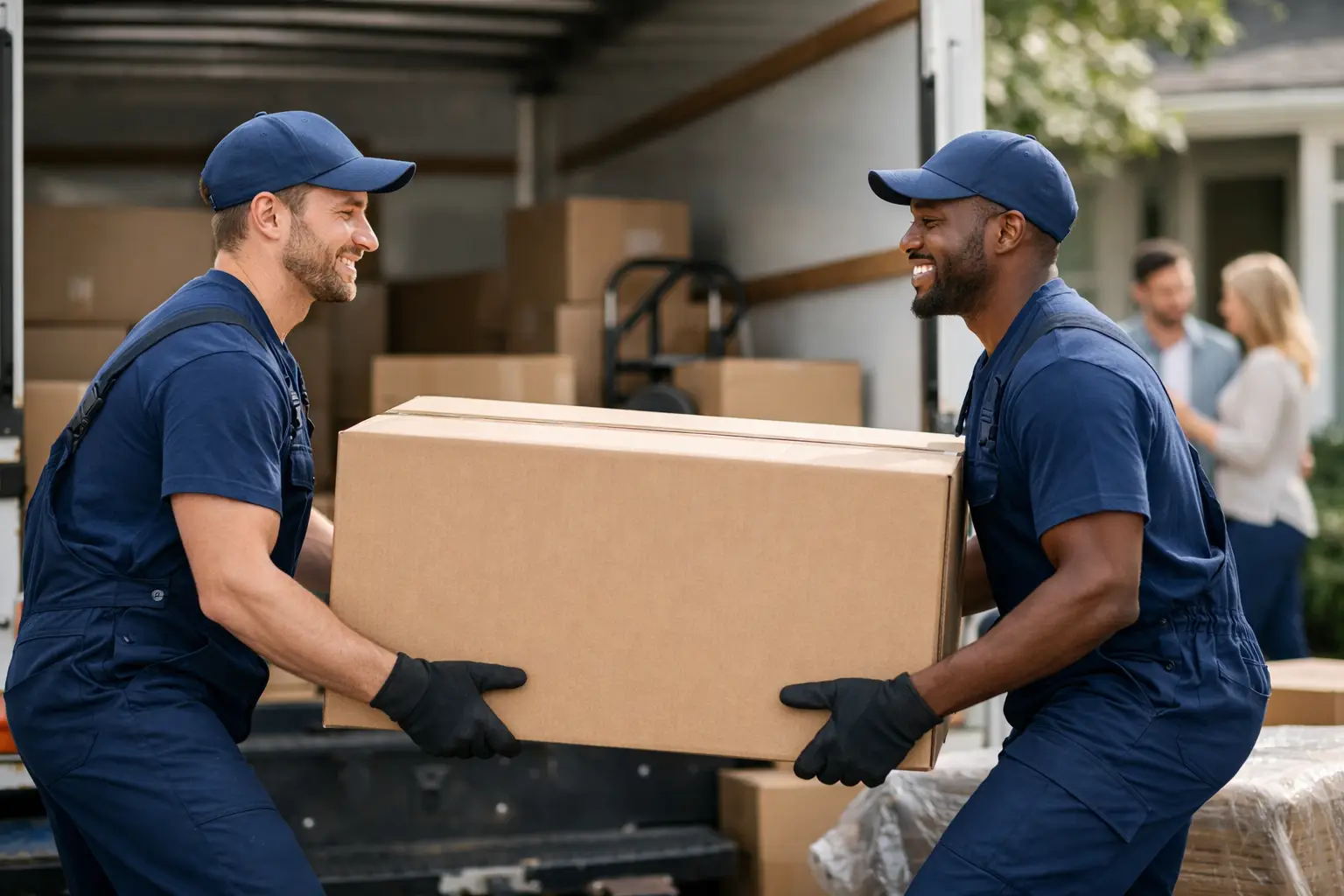
A moving truck can be parked outside, boxes can be labeled, and a move can still go wrong in the final hours. Most damage, injuries, and schedule delays happen when heavy items need to move through tight doorways, down stairs, or across a driveway. Professional loading unloading help addresses that high-risk part of the job with a plan, the right equipment, and trained hands.
For households and businesses, the goal is not simply to get everything onto a truck. It is to keep belongings stable in transit, protect the property at both locations, and finish the move without turning a long day into a problem that follows you for weeks.
What Loading Unloading Help Actually Covers
Loading and unloading are often treated as basic labor, but the work requires judgment. A team must decide what goes on the truck first, where weight should sit, how pieces should be wrapped, and what needs to be secured before the truck moves. At the destination, the same team needs to bring items in without scraping walls, blocking access, or placing heavy furniture in the wrong room.
Professional help may include carrying boxes, furniture, appliances, and office equipment; protecting large items with moving pads and wrap; using dollies, straps, and ramps; and securing the load inside the truck. It can also include placing furniture where it belongs so you are not left rearranging a room after the movers leave.
The exact scope depends on the move. A ground-floor apartment with standard furniture is different from a multi-level home with a sectional sofa, a safe, or a narrow stairwell. An office move may require extra attention to desks, filing cabinets, electronics, and building access rules.
Why the Truck Load Matters So Much
A truck can look full and still be loaded poorly. When weight shifts during a turn or a sudden stop, unsecured furniture can damage itself, other belongings, or the truck interior. Loading is about balance as much as capacity.
Heavy items generally need to be positioned low and distributed across the truck rather than concentrated on one side. Furniture should be padded and secured, while lighter boxes can fill protected spaces around larger pieces. Fragile cartons should not carry the weight of other items, even when there appears to be room above them.
This