


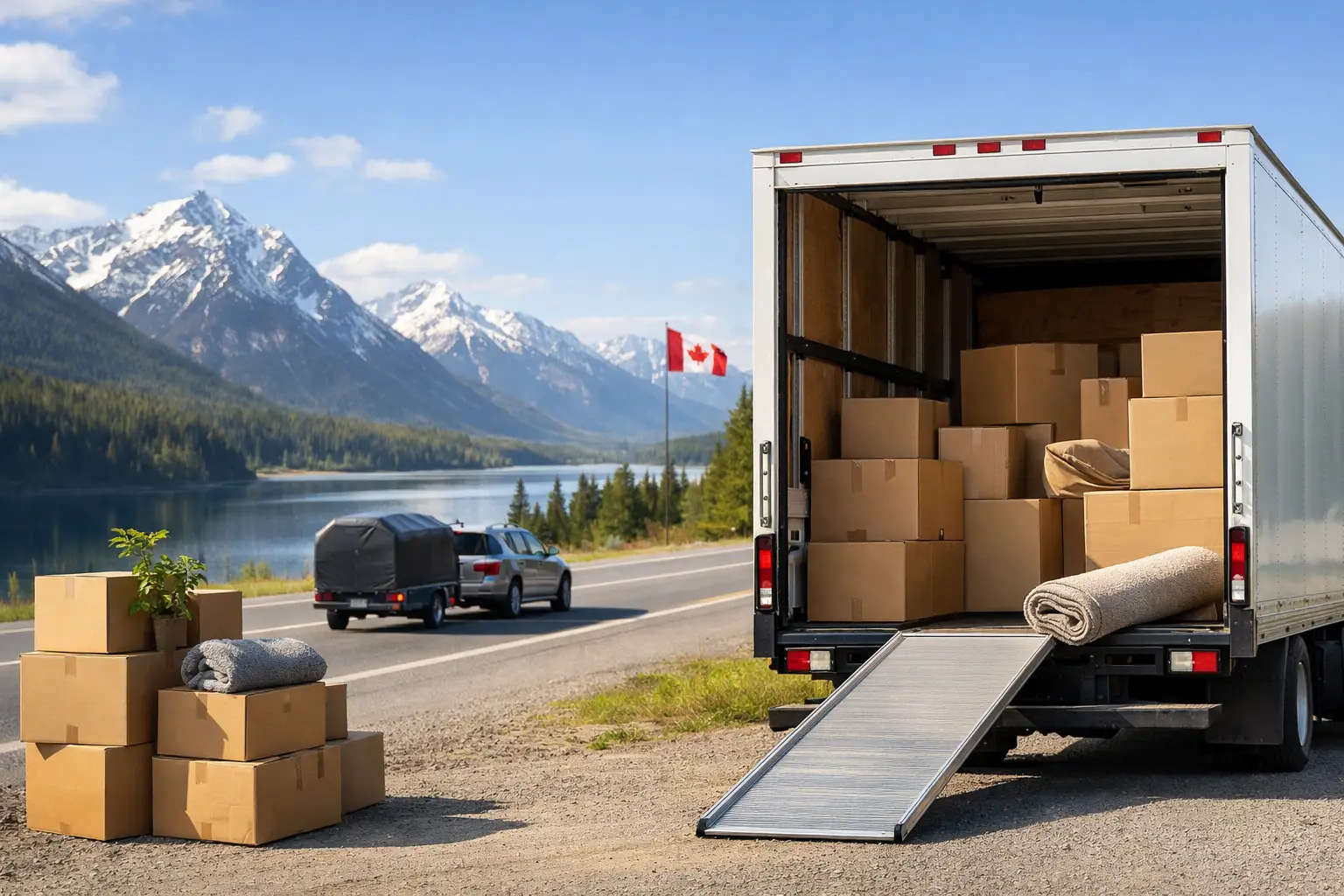
A long-distance move can go sideways fast when the timing is tight, the inventory is larger than expected, or access at either property is harder than it looked on paper. Moving across Canada is not just about getting boxes from one address to another. It is a logistics job that involves distance, weather, scheduling, building rules, and careful handling at every stage.
For households and businesses, the biggest mistake is treating a cross-country move like a standard local one. The longer the route, the less room there is for errors. A missed elevator booking, poor packing, or incomplete inventory can create delays that affect the entire schedule.
What makes moving across Canada more complex
Distance is the obvious factor, but it is not the only one. A move from one province to another often includes different delivery windows, road conditions, and access issues. In some cases, pickup and delivery dates are not fixed to the hour because long-haul transportation depends on route planning, fuel stops, traffic, and seasonal conditions.
That matters for anyone trying to coordinate leases, home closings, office reopenings, or school schedules. If you are moving a family, you may also be managing temporary housing, vehicle transportation, and utility transfers at the same time. If you are relocating a business, downtime becomes part of the cost.
Planning your move in the right order
The most effective way to manage a long-distance move is to make early decisions about volume, timing, and service level. Start with a realistic review of what is actually being moved. Extra furniture, unused equipment, and packed storage items increase labor time, truck space, and transportation cost.
After that, confirm the move dates as early as possible. Cross-country moves usually require more lead time than local jobs, especially during summer, month-end periods, and holiday weeks. Waiting too long can limit availability and force you into a schedule that does not fit your property access or travel plans.
Packing should also be decided early. Some customers want full-service packing because it saves time and reduces handling risk. Others prefer to pack themselves to control cost. Either approach can work, but self-packing only helps if it is done properly. Weak boxes, poor labeling, and overloaded cartons often create the same problems: breakage, slower loading, and confusion at delivery.
Cost depends on more than mileage
People often assum