


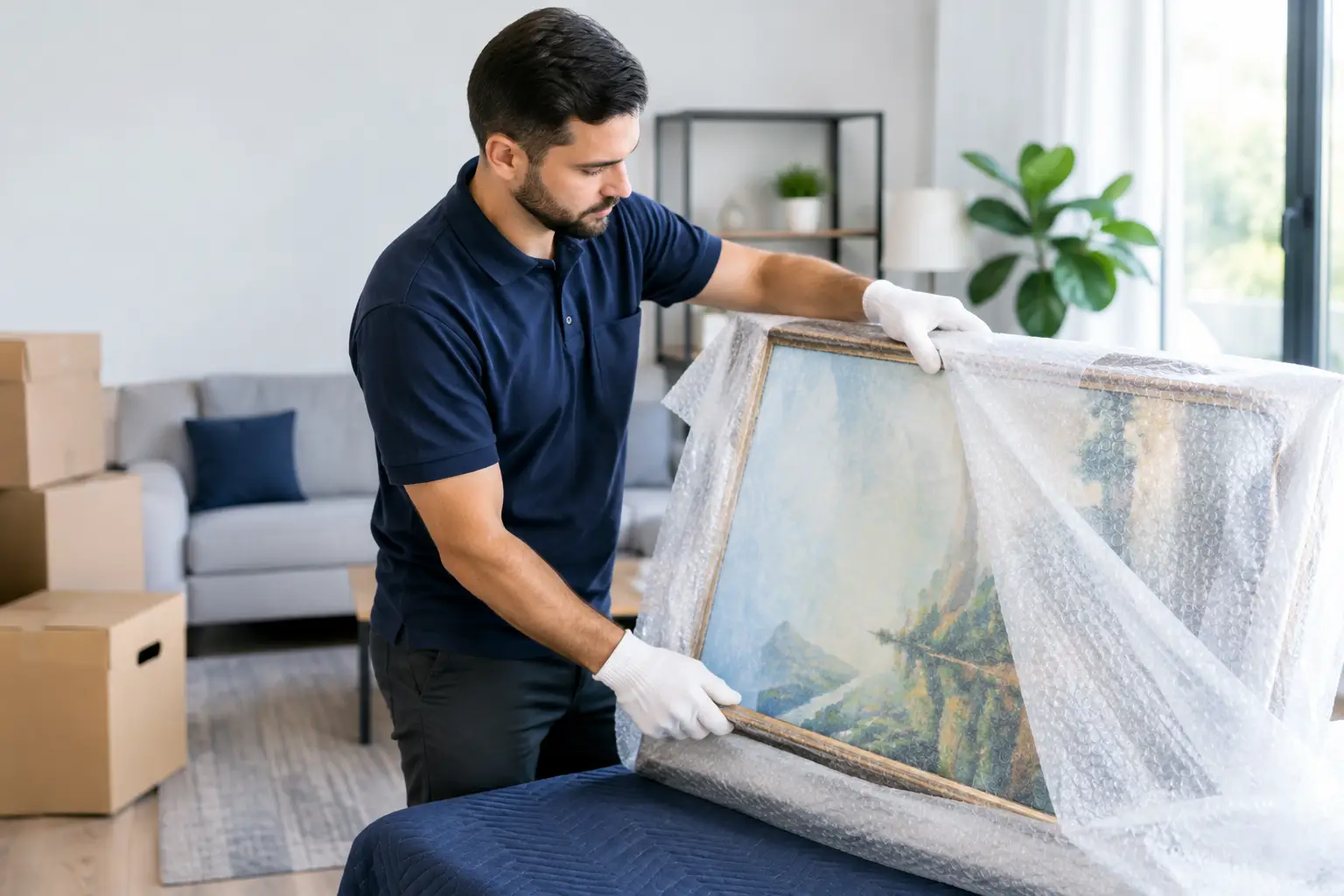
A specialty item moving guide starts with one practical rule: if an item cannot be safely lifted, secured, or replaced without major cost or disruption, it needs its own moving plan. A piano, gun safe, antique armoire, commercial copier, oversized artwork, or delicate glass cabinet should not be treated like an ordinary box or piece of furniture. The right preparation protects the item, the property, and the people handling it.
Specialty moves require more than extra muscle. They require accurate measurements, appropriate equipment, a clear route through the building, and a crew that knows when to stop and reassess. Planning these details before moving day is usually what prevents damage, delays, and last-minute changes in cost.
What Makes an Item a Specialty Move?
Weight is one factor, but it is not the only one. Some items are difficult because their weight is concentrated in a small area, which makes them unstable or hard to grip. Others are unusually fragile, valuable, oversized, or awkwardly shaped. A heavy safe can damage floors if it is rolled incorrectly. A large mirror may weigh relatively little but can crack from a single point of pressure. A grandfather clock has internal parts that need to be secured before it is moved.
Common specialty items include pianos, safes, pool tables, large appliances, antiques, chandeliers, artwork, aquariums, exercise equipment, server racks, medical equipment, and commercial office machines. Each has different packing and handling requirements. That is why a general estimate based only on room count can miss important details.
When requesting moving service, identify specialty items early. Provide photographs, dimensions, approximate weight if known, and the pickup and delivery conditions. Mention stairs, elevators, narrow hallways, long carries, steep driveways, parking restrictions, and whether an item must be disassembled. Good information allows a moving company to assign the right crew, equipment, and time.
Specialty Item Moving Guide: Plan the Route First
Before packing begins, map the route from the item’s current location to the truck and from the truck to its final room. Measure doorways, stair landings, hallways, elevator openings, and tight turns. Measure the item too, including its widest point and any removable legs, handles, or attachments.
Do not assume an item that entered the house can leave the same way. Furniture may have been brought in before new flooring, railings, landscaping, or renovations changed the path. In apartment and office buildings, elevators may require reservations, certificates of insurance, or specific move hours. Those requirements can affect the schedule and crew size.
Exterior conditions matter as well. Rain, ice, loose gravel, uneven pavement, and a long uphill carry change how an item should be handled. A professional crew may use ramps, lifting straps, appliance dollies, piano boards, furniture pads, or a liftgate truck depending on the item and site conditions. The goal is controlled movement, not speed for its own sake.
Match the Packing Method to the Item
Packing is not just about putting material around an item. It is about keeping vulnerable parts from shifting, rubbing, bending, or bearing weight they were never designed to carry.
For antiques, protect finished wood from tape, plastic moisture buildup, and abrasive wrapping. Furniture pads are commonly used to prevent surface damage during handling and transport. Drawers may need to be removed, emptied, or secured based on the piece’s construction. An antique piece with loose veneer, delicate inlay, or prior damage deserves a condition check before it is wrapped.
Artwork, mirrors, and glass require rigid protection. Corners should be guarded, faces should be shielded from direct pressure, and pieces should remain upright when their construction calls for it. Framed art can be damaged when stacked flat under other items, even if the frame looks well padded from the outside.
Pianos need special attention because they are both heavy and mechanically delicate. Their moving method varies by type. Upright pianos are typically padded and secured on specialized equipment, while grand pianos may require careful leg removal, wrapping, and placement on a piano board. After relocation, a piano may need time to acclimate before tuning because temperature and humidity changes can affect it.
Safes require an accurate weight and clear disclosure of their contents and mounting condition. A safe can be far heavier than it appears, and its center of gravity may shift when tilted. If it is bolted to the floor or wall, the removal process should be addressed in advance. Do not attempt to move a safe with household hand trucks or improvised ramps.
Prepare Specialty Items Before Moving Day
Owners often know their items best, so a few preparations can make the crew’s work safer and more efficient. Empty furniture and appliances unless the mover gives different instructions. Remove loose shelves, detachable accessories, and personal contents. Take photos of the item from multiple angles, especially if it has existing scratches, cracks, or wear.
For electronics and office equipment, back up files before the move. Power down equipment properly, disconnect cables, and label them if they must be reconnected in a specific arrangement. Copiers, printers, servers, and medical devices may have manufacturer requirements for transport. In some cases, a technician should prepare or reinstall the equipment rather than the moving crew.
Use this pre-move check before specialty items are loaded:
- Confirm dimensions, approximate weight, and any manufacturer handling instructions.
- Clear a path through both locations, including rugs, wall décor, and low-hanging fixtures.
- Reserve elevators and loading areas when the building requires it.
- Tell the mover about stairs, tight corners, parking limitations, and fragile surfaces.
- Set aside keys, hardware, remotes, cables, and detachable parts in labeled containers.
If an item contains fuel, chemicals, compressed gas, ammunition, or other regulated materials, ask about restrictions before moving day. Professional movers may be unable to transport certain hazardous materials. Planning for those exclusions early prevents a difficult surprise at pickup.
Understand Coverage and Value Before Transport
High value does not automatically mean an item has full replacement protection during a move. Basic mover liability, released-value options, valuation coverage, and third-party insurance are different arrangements with different limits and conditions. Ask what coverage is offered, what must be declared, and whether documentation or an inventory is required.
For valuable antiques, artwork, collectibles, and business assets, keep receipts, appraisals, serial numbers, and photographs available. These records are useful for insurance, but they also help identify the item and document its condition. If an item has sentimental value that cannot be replaced, say so. That information supports better handling decisions even when monetary value is hard to define.
There is a trade-off between moving everything in one shipment and arranging specialized transport for a particularly rare or sensitive item. A standard moving truck may be appropriate for many large household pieces. Museum-quality art, climate-sensitive collections, highly specialized equipment, or items requiring crating may need a different service. The right answer depends on the item’s condition, value, and handling requirements.
Choose a Mover Based on the Actual Job
A low estimate is not automatically a good estimate if it leaves out the equipment, labor, or planning the move requires. Ask direct questions: Has the company moved this type of item before? What equipment will be used? Is disassembly included? Are stairs, long carries, or elevator delays addressed? What happens if access measurements show the item will not fit?
Clear answers matter more than broad promises. A capable mover should be willing to review photos, discuss access conditions, and explain the handling plan in plain terms. For complicated residential or commercial relocations, STC Movers can help coordinate the physical work around the details that affect safe transport.
On moving day, point out specialty items during the walkthrough and review any concerns before loading begins. Keep children, pets, and bystanders clear of the work area. Once the item reaches the new location, inspect it before the crew leaves and confirm placement while the equipment and labor are still available.
A specialty item deserves more than a last-minute decision at the truck. Give it a clear route, the right protection, and a handling plan built around what could go wrong. That preparation turns a difficult object into a manageable part of the move.