


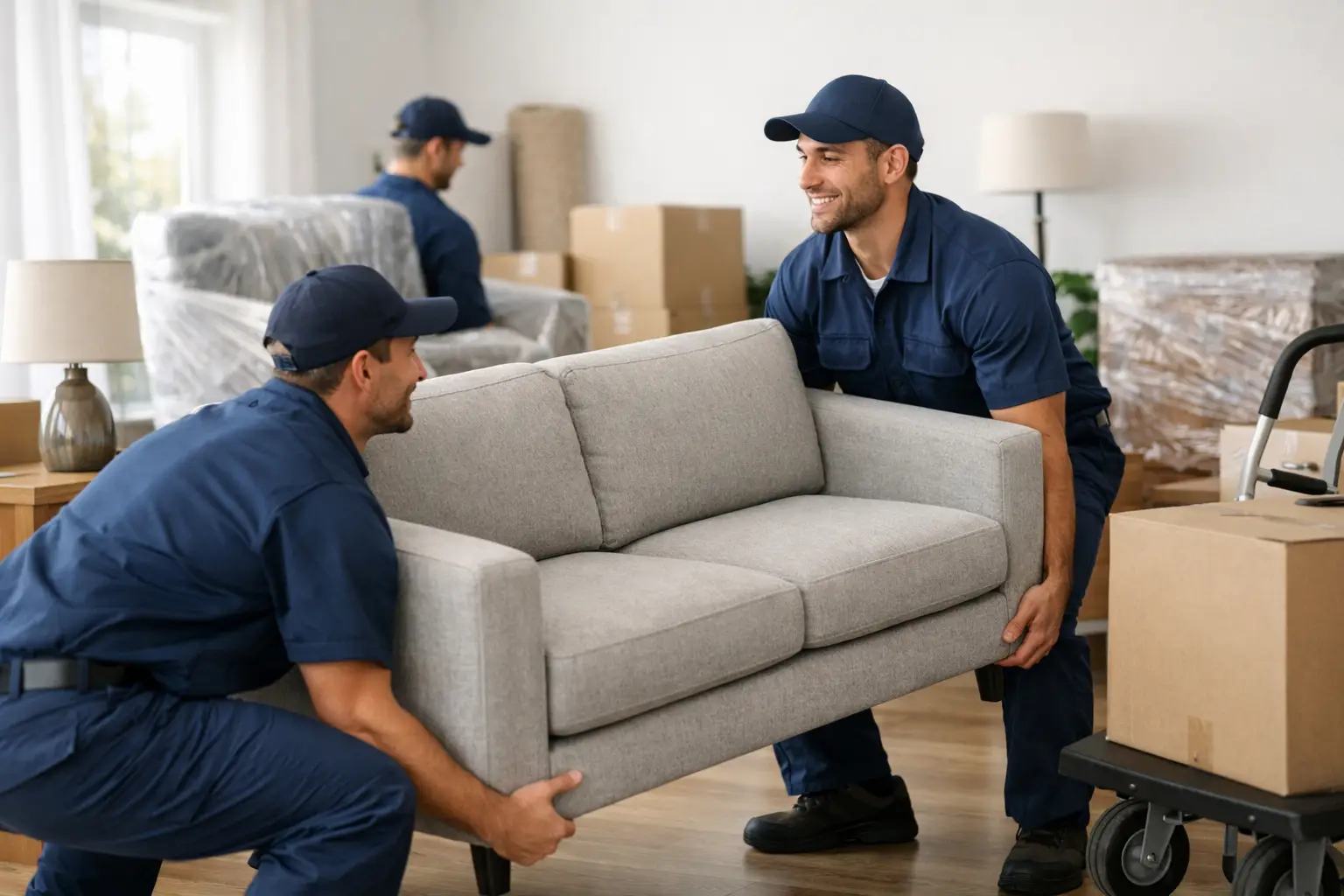
A lot of moving problems start with one wrong assumption: that getting furniture from one place to another is just a matter of muscle and a truck. In practice, furniture moving services are about planning, protection, timing, and handling. If any one of those pieces is weak, the move gets harder, slower, and riskier than it needs to be.
For homeowners, renters, and businesses, the real value of professional help is not just labor. It is the ability to move heavy, awkward, and often expensive items in a controlled way. That matters whether you are relocating a full house, rearranging a large apartment, or moving desks and storage from one office to another.
What furniture moving services include
At the most basic level, furniture moving services cover the physical movement of furniture from one location to another. That usually includes loading, transport, and unloading. In many cases, it also includes basic disassembly and reassembly for items that cannot move safely in one piece, such as bed frames, conference tables, sectional sofas, and large shelving units.
Protection is a major part of the service. Professional movers typically use moving blankets, stretch wrap, straps, dollies, and lifting equipment to reduce the chance of scratches, dents, torn upholstery, or broken legs and frames. The right equipment matters because furniture does not fail only during transport. Damage often happens while turning through hallways, going down stairs, or shifting weight at the wrong angle during loading.
Some moves also require packing support. That does not always mean boxing every household item. It may mean wrapping glass tabletops, protecting wood finishes, securing drawers, removing loose shelves, or preparing fragile furniture for transport. For office clients, it can also mean handling modular furniture, filing systems, and equipment that need to stay organized from pickup to delivery.
When hiring movers makes the most sense
There are situations where self-moving can work. If you are moving a few lightweight items across town and have enough help, you may be able to handle it yourself. But furniture tends to be the part of the move where do-it-yourself plans break down.
Large sofas, dressers, safes, dining tables, and office furniture create problems fast. They are difficult to lift, harder to maneuver, and easy to damage if rushed. Add stairs, elevators, tight corners, weather, parking limits, or time pressure, and the job becomes less about effort and more about execution.
Professional help makes the most sense when the furniture is valuable, bulky, heavy, or numerous. It also makes sense when the schedule is tight. A delayed move can create extra costs through building access fees, truck overruns, missed work time, or business downtime. For commercial moves especially, the speed and order of the move can matter as much as the transport itself.
What affects the cost of furniture moving services
Cost depends on more than distance. The size and quantity of the furniture matter first. A move with several oversized items will require more labor and more time than a move with smaller, simpler pieces, even if both are traveling the same number of miles.
Access conditions also affect pricing. Stairs, long carries from the building to the truck, elevator reservations, narrow doorways, and difficult parking all increase the amount of work. So does the need to disassemble and reassemble furniture. Some items are straightforward. Others take time, tools, and extra care to move correctly.
The level of service matters too. If you only need loading and transport, the cost will differ from a move that includes protective wrapping, packing, setup, and item placement in the new location. Timing can also play a role. Peak moving periods and urgent scheduling windows may limit availability or increase rates.
That is why the cheapest quote is not always the best value. A lower price can reflect fewer services, less experienced labor, weaker protection methods, or unrealistic timing assumptions. When comparing estimates, it helps to understand exactly what is included and what is not.
How to evaluate furniture moving services
A good mover should be able to explain the process clearly. That starts with scope. They should understand what is being moved, where it is going, what access conditions exist, and whether any items need special handling. If a company gives a vague estimate without asking practical questions, that is a warning sign.
Communication matters as much as equipment. Customers should know the service window, what they need to prepare, what the crew will handle, and how issues are addressed if conditions change on moving day. A professional operation does not make the move sound effortless. It makes the process sound controlled.
It is also worth paying attention to how a mover talks about protection. Blankets, wrap, secure loading, and careful handling should be standard discussion points, not afterthoughts. Furniture is often one of the most expensive categories of personal or business property being moved. The service should reflect that reality.
For many customers, trust comes down to whether the company sounds organized. That is one reason service-focused businesses like STC Movers tend to stand out when they communicate clearly about handling, scheduling, and execution rather than relying on broad claims.
Residential and commercial moves are not the same
Furniture moving services for a home and for a business may look similar from the outside, but the priorities are different.
In residential moves, the focus is often on protecting personal property and reducing stress during a major transition. Families may need help moving bedroom sets, dining furniture, living room pieces, appliances, and items that have both financial and sentimental value. Timing still matters, but the bigger concern is often care and coordination.
In commercial moves, downtime becomes a central issue. Office managers and small business owners usually need furniture moved in a way that keeps operations organized and disruption limited. Desks, chairs, filing systems, storage units, and shared workstations need to arrive in the right place and in usable condition. The move has to support continuity, not just transportation.
That difference affects planning. A residential move may need more room-by-room coordination. A commercial move may need stricter labeling, phased loading, and schedule discipline. The right provider should understand which type of move is happening and plan around those requirements.
How to prepare before movers arrive
Even with full-service support, some preparation on the customer side helps the move go faster.
Start by identifying what is actually being moved. If certain furniture will be donated, discarded, or left behind, make that decision early. It saves labor, truck space, and confusion on moving day. For larger jobs, having a clear item list also helps the mover plan labor and equipment more accurately.
Next, clear pathways. Remove small items from floors, hallways, and entry points. Empty furniture if needed, especially desks, dressers, and cabinets with loose contents. Secure pets and keep children away from active moving areas. None of this replaces the mover’s work, but it helps the crew operate safely and efficiently.
If the building has access rules, address those in advance. Some apartments and office buildings require elevator reservations, certificates, loading dock scheduling, or limited move-in windows. These details can affect the entire job. A smooth move often depends on solving access issues before the truck arrives.
Common problems furniture movers help prevent
The obvious risk is physical damage to the furniture, walls, doors, and floors. But there are less visible problems too. Poor loading can lead to shifting in transit. Weak planning can create delays that extend labor time. Incomplete disassembly can damage hardware or make reassembly difficult later.
Then there is injury risk. Heavy lifting is not just tiring. It is one of the fastest ways to turn a move into a medical problem. Back strain, crushed fingers, falls on stairs, and mishandled weight transfers happen when people try to move large furniture without the right technique or equipment.
Professional movers reduce those risks because they follow a repeatable process. That does not guarantee a perfect move every time. Unexpected issues still happen. But a trained crew is better positioned to adjust without turning a manageable problem into a costly one.
Choosing the right level of service
Not every move requires the same level of support. Some customers only need labor for loading and unloading. Others need a more complete service that includes protective wrapping, transport, room placement, and furniture setup. The right choice depends on budget, schedule, item complexity, and how much work you want to manage yourself.
If your move includes fragile finishes, oversized pieces, or commercial furniture that must be set up quickly, paying for more complete service can be the smarter option. If the move is simple and the furniture is limited, a narrower service scope may be enough. The key is matching the service to the job rather than paying for too little and dealing with the consequences later.
The best moves usually feel controlled, not rushed. That is what customers should expect from furniture moving services: clear planning, careful handling, and a process that makes a difficult job more manageable. When the move is handled well, you spend less time worrying about how the furniture will get there and more time getting settled once it does.