


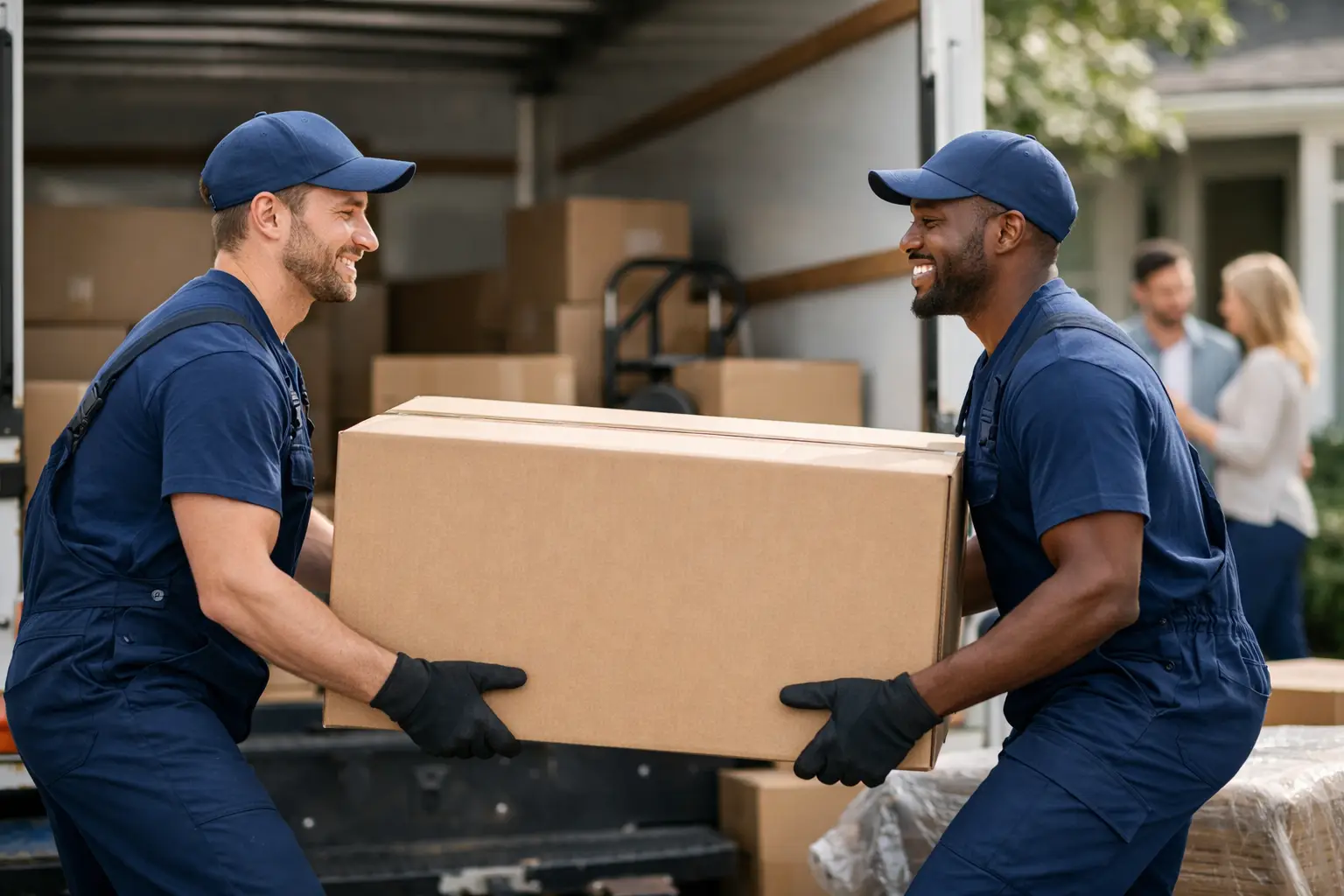
A moving truck can be parked outside, boxes can be labeled, and a move can still go wrong in the final hours. Most damage, injuries, and schedule delays happen when heavy items need to move through tight doorways, down stairs, or across a driveway. Professional loading unloading help addresses that high-risk part of the job with a plan, the right equipment, and trained hands.
For households and businesses, the goal is not simply to get everything onto a truck. It is to keep belongings stable in transit, protect the property at both locations, and finish the move without turning a long day into a problem that follows you for weeks.
What Loading Unloading Help Actually Covers
Loading and unloading are often treated as basic labor, but the work requires judgment. A team must decide what goes on the truck first, where weight should sit, how pieces should be wrapped, and what needs to be secured before the truck moves. At the destination, the same team needs to bring items in without scraping walls, blocking access, or placing heavy furniture in the wrong room.
Professional help may include carrying boxes, furniture, appliances, and office equipment; protecting large items with moving pads and wrap; using dollies, straps, and ramps; and securing the load inside the truck. It can also include placing furniture where it belongs so you are not left rearranging a room after the movers leave.
The exact scope depends on the move. A ground-floor apartment with standard furniture is different from a multi-level home with a sectional sofa, a safe, or a narrow stairwell. An office move may require extra attention to desks, filing cabinets, electronics, and building access rules.
Why the Truck Load Matters So Much
A truck can look full and still be loaded poorly. When weight shifts during a turn or a sudden stop, unsecured furniture can damage itself, other belongings, or the truck interior. Loading is about balance as much as capacity.
Heavy items generally need to be positioned low and distributed across the truck rather than concentrated on one side. Furniture should be padded and secured, while lighter boxes can fill protected spaces around larger pieces. Fragile cartons should not carry the weight of other items, even when there appears to be room above them.
This order also affects unloading. Items needed first at the new location should not be buried behind the heaviest pieces unless there is a practical reason. A well-managed load saves time at delivery because the crew is not repeatedly moving the same items to reach something else.
When Professional Help Is Worth It
Some moves are manageable with friends and a rental truck. That can work when the inventory is light, access is simple, and everyone involved understands safe lifting. The trade-off is that the person organizing the move takes responsibility for the schedule, equipment, vehicle loading, and any last-minute problems.
Professional loading unloading help is especially useful when the move includes difficult access, limited time, or items that should not be handled casually. Consider getting help when you have:
- Large furniture, appliances, or unusually heavy items
- Stairs, elevators, long carries, narrow halls, or tight turns
- Fragile pieces such as glass tables, mirrors, artwork, or electronics
- A firm move-out deadline, building reservation window, or business reopening date
- A household or office move where physical strain would slow down the entire process
The decision is not always about how much you own. A smaller move can be more physically demanding than a larger one if the pickup or delivery location has poor access. Likewise, an office may have fewer individual items than a home but more equipment that requires careful handling and organized placement.
Prepare the Space Before the Crew Arrives
Good moving labor works best when the environment is ready. Before loading begins, clear walking paths, remove loose rugs that could cause a slip, and make sure children and pets are safely away from the work area. Identify items that are not moving so there is no confusion when the crew starts carrying boxes out.
Reserve parking as close to the entrance as possible. In an apartment or commercial building, confirm elevator access, loading dock procedures, and any certificate, time, or move-in requirements ahead of time. A truck that cannot park nearby adds labor time and increases the number of trips between the building and vehicle.
Label boxes by room and write handling instructions clearly. “Fragile” is useful, but details are better when needed. A box containing a monitor, for example, should be packed securely and marked so it stays upright. Keep medications, keys, personal documents, valuables, chargers, and essential overnight items with you rather than mixing them into the truck load.
Protecting Furniture and the Property
Furniture protection is not an optional detail. Moving pads, stretch wrap, mattress covers, and corner protection help prevent surface damage while items are carried and secured. Doors, floors, railings, and walls can also need protection, particularly in homes with narrow access or buildings with strict property rules.
Not every item should be wrapped the same way. Wood furniture can be scratched by exposed hardware. Glass needs padding that prevents impact. Upholstered pieces may need covers to stay clean during transport. A professional crew evaluates the item and the route rather than applying one method to everything.
Customers should also point out existing damage before work starts. This is practical communication, not a reason to expect trouble. It helps everyone distinguish prior wear from any issue that needs attention during the move.
Loading Unloading Help for Offices and Small Businesses
Commercial moves have a different pressure point: downtime. Every hour spent looking for equipment, untangling cables, or deciding where desks belong is time the business may not be operating normally.
Before moving day, create a simple room plan for the new location and label workstations, storage, and shared equipment accordingly. Decide who is responsible for disconnecting technology and who will confirm that critical items are present at delivery. If filing cabinets contain records, determine whether they must be emptied or secured based on their weight and the moving plan.
A reliable moving team can handle the physical transfer, but the business should provide clear priorities. For example, reception furniture, essential computers, and core inventory may need to be unloaded first. That allows staff to begin setting up the functions that matter most instead of waiting for every nonessential item to be placed.
Questions to Settle Before Moving Day
Clear expectations prevent avoidable delays. Confirm the arrival window, the locations involved, the approximate inventory, and whether there are stairs, elevators, long walks, or heavy specialty items. Ask what packing, disassembly, protective materials, and placement services are included in the plan.
You should also understand what the crew can safely move and what requires advance notice. Items such as oversized safes, large gym equipment, pianos, or unusually delicate pieces may need additional planning. Hazardous materials, certain chemicals, and other restricted items should not be loaded without confirming the rules first.
If you are using STC Movers, providing accurate details before the appointment helps the team arrive prepared. A straightforward inventory and honest description of access conditions are more useful than a rough estimate made from memory.
Make the Last Hour Easier
The end of a move is when fatigue leads to rushed decisions. Keep one person available to direct placement and check each room as items come in. Use the room labels, but also speak up before a heavy piece is set down. Moving a dresser a few feet is easy; carrying it back down a staircase is not.
Before the truck leaves, walk through the truck, the old location, and the new location. Check closets, storage areas, elevators, and loading zones. Confirm that the furniture you need right away is in the right room, then give yourself permission to handle the smaller unpacking tasks later. The right loading unloading help does more than save your back – it gives the move a controlled finish.