


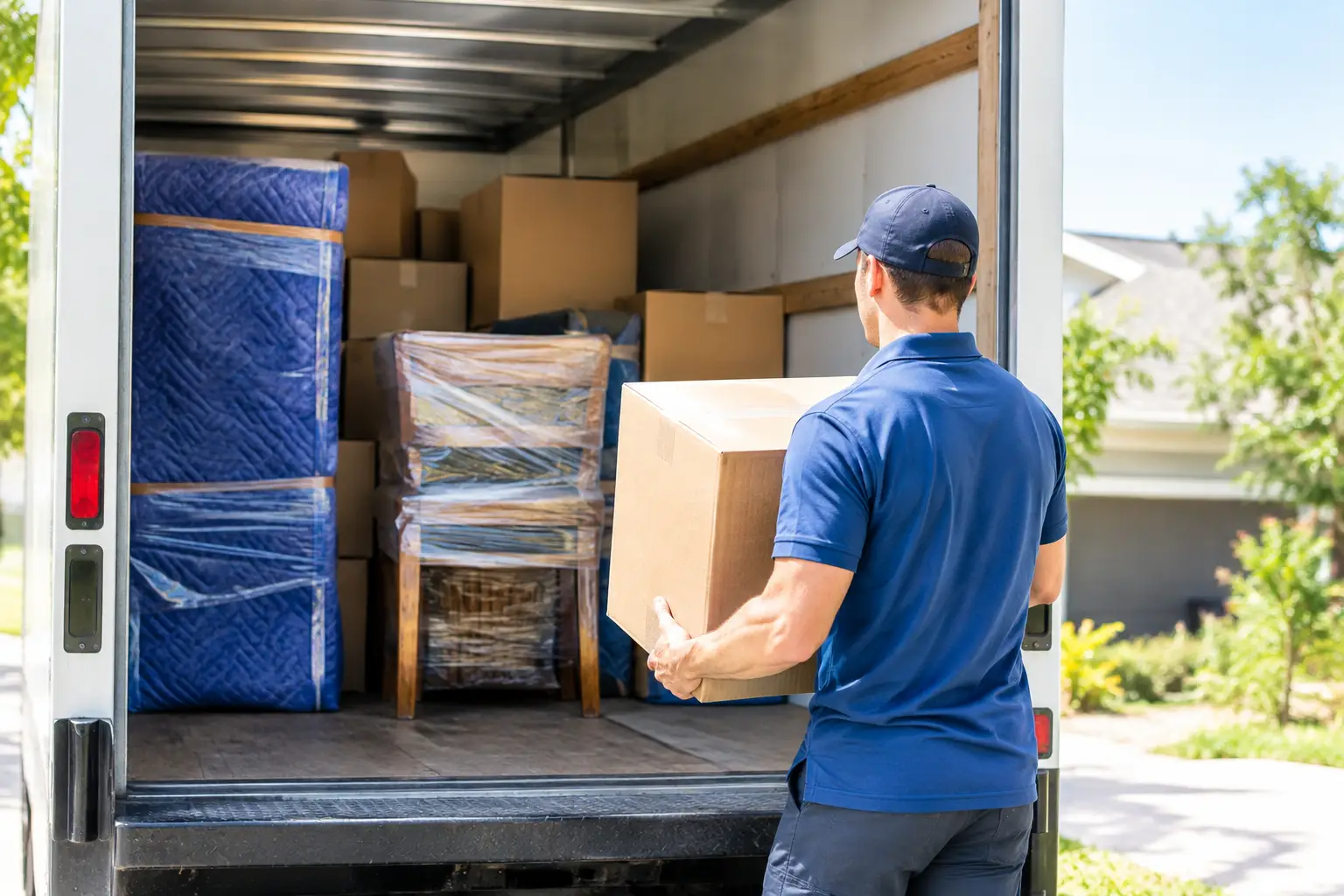
A moving truck can look large enough to hold everything until the first couch, mattress, and stack of boxes are sitting in the driveway. How to pack a moving truck is less about filling every open space and more about controlling weight, preventing movement, and keeping essential items accessible when you arrive. A poor loading order can turn a manageable move into damaged furniture, crushed boxes, and extra unloading time.
The goal is simple: build a stable load from front to back, place the heaviest items low, protect vulnerable surfaces, and use tie-downs before the truck starts moving. The process takes planning, but it usually saves time compared with unloading and reloading a truck that was packed without a system.
Prepare the truck and your supplies first
Before loading anything, inspect the cargo area. Sweep out dirt or loose debris that could scratch furniture or make the floor slippery. Check the truck walls for tie rails, the location of the ramp, and the height of the cargo area. Knowing where these features are makes it easier to plan your load.
Keep moving blankets, stretch wrap, tape, rope or ratchet straps, a hand truck, and a few extra boxes close by. Blankets protect wood, upholstery, and appliances from rubbing together. Stretch wrap holds drawers and doors shut, but it should not be applied directly to delicate finished wood for long periods if moisture or heat is a concern. Use a moving blanket underneath it when needed.
Disassemble large furniture before it reaches the truck whenever possible. Remove table legs, take apart bed frames, and place hardware in labeled bags secured to the matching item. A flat headboard is easier to load than an assembled bed, and disassembled furniture creates fewer unstable gaps.
How to pack a moving truck in the right order
Start at the front wall of the cargo area, closest to the cab. This is the most stable position in the truck and should hold your heaviest, largest belongings. As you work toward the rear, keep the load level from side to side. Putting most of the weight on one side affects handling and can cause items to shift.
Load in layers rather than by room. The first layer should create a solid base. Heavy appliances, large furniture, and tightly packed boxes belong here. The next layer fills spaces with medium-weight items and sturdy cartons. Light boxes, soft goods, and awkward items that cannot safely support weight should go near the top or toward the rear.
A practical loading sequence is:
- Large appliances and the heaviest furniture
- Mattresses, box springs, and large flat pieces
- Heavy, uniform boxes such as books, dishes, and tools
- Medium boxes and furniture that can safely stand upright
- Lightweight boxes, lamps, cushions, and soft items
This order may change slightly depending on what you own. For example, a large sectional may need to be positioned before appliances if it creates the best wall-to-wall base. The principle stays the same: build a dense, balanced load and avoid placing heavy objects on fragile or loose items.
Load appliances and large furniture first
Refrigerators, washers, dryers, dressers, sofas, and large cabinets should be loaded against the front wall whenever possible. Keep appliances upright unless the manufacturer provides different transport instructions. Refrigerators should be fully defrosted, drained, and dry before moving. A washer may need its shipping bolts installed to protect internal components.
Place a moving blanket around each large item and secure it with tape or stretch wrap. Do not rely on blankets alone to keep furniture in place. Once the first section is loaded, use straps attached to the truck’s tie rails. This creates a barrier that keeps the load from leaning or sliding when the driver brakes or turns.
Dressers can often be moved with lightweight, non-breakable items inside, but remove heavy contents and anything that can shift. File cabinets should be emptied unless they are designed and approved for moving while loaded. Drawers add weight quickly and can damage the cabinet structure.
Use mattresses and flat items as protective walls
Mattresses and box springs are useful because they can cushion large items and help hold sections of the load in place. Stand them on their long edge only if they can be secured. A mattress left loose can bend, fall, or create a dangerous unloading obstacle.
Tabletops, mirrors, artwork, and glass shelves need special care. Wrap them fully, use corner protection where available, and stand them upright rather than flat. Flat glass is more likely to crack under uneven pressure. Place these items between mattresses or against a padded wall, then secure them so they cannot shift.
Fill gaps before stacking higher
Empty spaces are the source of most damage inside a moving truck. Even a tightly packed stack can move if there is room for it to gain momentum. Fill narrow gaps with sturdy boxes, chair cushions, rolled rugs, or bags of linens. Avoid using fragile items as filler simply because they fit.
Boxes should be loaded with their labels facing outward when practical, especially boxes marked fragile or labeled by room. This makes unloading more controlled and reduces the chance that a kitchen carton gets placed under garage equipment.
Stack only boxes that are strong enough to carry weight. Small, dense boxes of books are usually best on the floor. Larger boxes containing pillows, bedding, or clothing can go higher. If a box is crushed, soft, or poorly taped, do not use it as a base. Repack it before loading.
Use the truck’s vertical space, but do not force a stack higher than you can control safely. A tall stack may maximize capacity, yet it is not worth the risk if you cannot strap it in place or unload it safely at the destination.
Keep weight balanced and secure each section
As you move toward the rear of the truck, step back periodically and check the load from the ramp. The truck should not appear heavier on the left or right. If one side contains a large appliance or solid wood furniture, offset that weight with heavy boxes or another substantial item on the other side.
Secure each completed section with straps instead of waiting until the end. This matters most if the load is interrupted by weather, fatigue, or a last-minute change in plans. It also keeps earlier items protected while you carry new pieces up the ramp.
Do not use rope as the only restraint for a heavy load unless it is properly rated, tied, and attached to secure anchor points. Ratchet straps or moving straps are generally easier to tension and more reliable for furniture barriers. Tighten straps firmly without crushing boxes or bending furniture.
Pack the rear for access, not just space
The last items loaded will be the first items unloaded. Use the rear section for items you need immediately after arrival, such as a tool bag, cleaning supplies, basic bedding, medications, chargers, and a clearly labeled essentials box. Keep these items protected, but do not bury them behind a wall of heavy cartons.
Avoid placing loose objects near the truck door. The rear of the truck experiences more movement, and unsecured items can fall when the door is opened. Light, bulky items such as pillows, comforters, and plastic-wrapped cushions are often good choices for the final spaces, provided they are tucked in firmly.
Before closing the door, walk through a final check. Look for exposed wood rubbing against metal, unsupported stacks, loose straps, and open gaps. Confirm that the ramp is secured and that no tools, blankets, or hardware bags have been left behind.
Know when professional loading is the better choice
A self-packed truck can work well for a small, straightforward move with enough capable help. It becomes more difficult when there are stairs, oversized furniture, antiques, heavy appliances, tight timelines, or a long-distance drive. The cost of professional loading should be weighed against the risk of injury, property damage, and losing a full day to a truck that must be repacked.
For customers who want experienced handling without managing the physical load plan alone, STC Movers can coordinate the packing, loading, and transportation process with a trained crew. Professional movers also bring the equipment and labor needed to handle difficult pieces safely.
A well-packed truck should feel deliberate, not crammed. If an item does not have a stable place, protect it, reposition the load, and secure the section before the truck moves. That extra few minutes at the curb can protect the belongings you worked hard to bring home.