


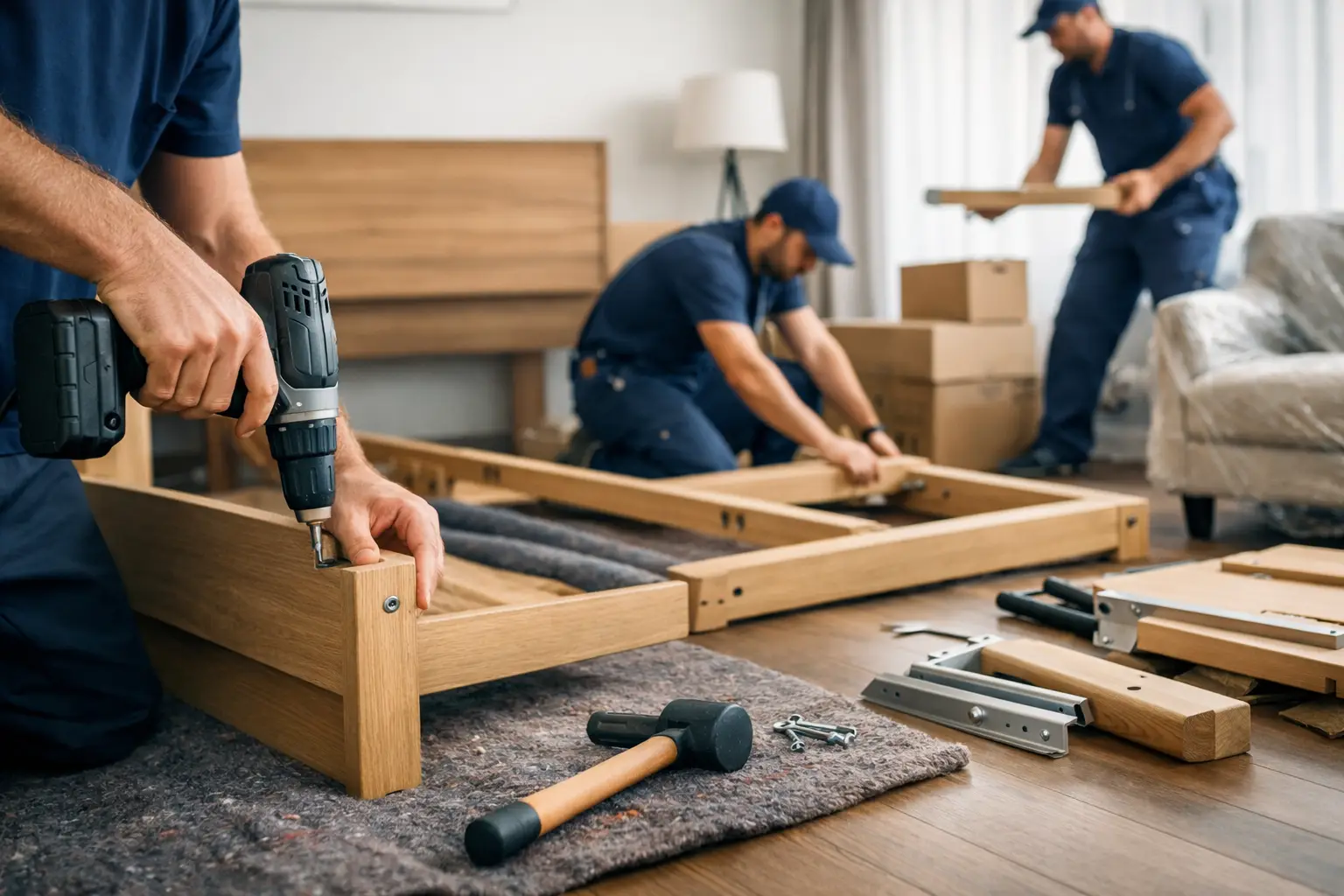
Moving day usually gets real when the crew looks at your bed frame, sectional, or dining table and asks what’s staying intact. Many customers ask the same question at that point: do movers disassemble furniture? The short answer is yes, many professional movers do, but not every item, not every company, and not always as part of the base price.
That distinction matters. Furniture disassembly can make a move faster, safer, and less likely to leave you with scraped walls or damaged pieces. It can also affect your estimate, your timeline, and how much prep work you need to do before the truck arrives.
Do movers disassemble furniture as part of the move?
In many cases, yes. Professional movers commonly disassemble furniture when it is necessary for safe transport or to get large pieces through doorways, stairwells, elevators, and tight hallways. Beds, dining tables with removable legs, sectionals, desks, and some shelving units are common examples.
That said, furniture disassembly is not automatically included in every move. Some companies build light disassembly and reassembly into their standard service. Others treat it as an added labor task. The difference usually comes down to the type of move, the complexity of the item, and how the estimate was written.
If a piece can be moved safely without taking it apart, movers may leave it assembled. If disassembly saves time and reduces risk, they will usually recommend it. The best approach is to ask in advance which pieces they expect to disassemble and whether reassembly at the destination is included.
What furniture do movers usually disassemble?
Movers typically focus on large, bulky, or awkward pieces that create handling problems if left fully assembled. Bed frames are one of the most common items. Standard metal frames come apart quickly, while platform beds and storage beds may take more time. Dining tables often need the legs removed. Sectionals may be separated into individual sections. Office desks with detachable returns or hutches are also common candidates.
Some bookshelves, entertainment centers, and modular furniture can also be taken apart, especially if they are tall or top-heavy. In commercial moves, conference tables and workstation components are often disassembled for transport and easier placement at the new site.
What movers do not usually want to disassemble are pieces that are structurally fragile, heavily customized, or difficult to rebuild without manufacturer instructions. Older furniture, glued joints, and ready-to-assemble items that have already been assembled and reassembled several times can be risky. Particleboard furniture is a common problem area because screws can loosen and panels can weaken after repeated breakdown and setup.
When disassembly is the better option
Disassembly is not just about fitting furniture through the front door. It often protects the item itself. A bed frame moved intact can twist under pressure. A table with legs attached is easier to bump into a wall or chip along the edge. A large sectional can become harder to control on stairs if it stays in one piece.
There is also a labor issue. Movers work more efficiently when they can break down oversized furniture into manageable components. That can reduce carrying strain, shorten loading time, and help the truck get packed more securely. In some cases, taking apart one item prevents damage to several other items around it.
For apartment moves, townhomes, and office buildings, the layout often decides the issue. Narrow staircases, low turns, elevators, and long corridors make disassembly much more likely. Even if a piece technically fits, movers may still recommend taking it apart to avoid scraping walls or damaging corners.
What movers may not take apart
There are limits, and this is where expectations need to be clear. Movers may decline to disassemble furniture that requires specialized tools, electrical disconnects, or manufacturer-specific handling. Adjustable beds are a good example. So are some gym machines, mounted wall units, and furniture integrated with lighting, wiring, or glass components.
Antiques are another gray area. Some crews will handle basic disassembly if the structure is straightforward. Others will avoid it because older joints, screws, and wood can fail under stress. If a piece has sentimental or high financial value, tell the mover before the estimate is finalized.
Cribs can also fall into a limited category. Some movers are willing to disassemble and reassemble them, but many prefer not to because child safety hardware needs to be installed exactly right. If there is any doubt, it may be better to handle those items yourself or have them rebuilt by someone familiar with the product.
Does furniture disassembly cost extra?
Sometimes. Light disassembly is often folded into hourly local move pricing, especially when it involves basic items like bed frames or simple tables. More complex work can add labor charges, particularly if it slows the crew down, requires extra care, or involves multiple pieces.
For long-distance moves, the issue may show up differently. Instead of a separate line item, the labor may be included in the overall service package. But that does not mean every disassembly task is covered. If a move requires extra handling, crating, or technical breakdown, the price can change.
This is why a detailed estimate matters. A vague quote can create confusion on moving day. A clear quote should identify whether disassembly and reassembly are included, which items are covered, and whether there are exceptions.
How to prepare if movers will disassemble furniture
Preparation helps the move stay on schedule. First, identify the pieces you expect movers to take apart and mention them during the quote process. Do not assume the crew will see the same issues you do once they arrive.
Next, empty furniture before moving day. Remove drawers if instructed, clear shelves, and take personal items out of desks, dressers, and storage beds. Movers are there to handle the furniture, not sort through loose contents or decide what should stay inside.
If you have assembly instructions, keep them. They are especially useful for modular desks, shelving units, and ready-to-assemble furniture. It also helps to place hardware like screws, bolts, and brackets in labeled bags. Some movers do this as part of their process, but keeping instructions and hardware organized reduces the chance of delays later.
You should also mention any missing parts, prior repairs, or weak spots. A piece that already wobbles or has stripped screws should not be treated like a solid wood table in perfect condition. Good movers adjust their handling based on what they know.
Reassembly at the new location
Most customers care just as much about the other half of the job: putting everything back together. In many moves, reassembly is available, but it should never be assumed. Ask whether the same crew that disassembles the furniture will reassemble it at delivery, and whether all items will be set up in their final rooms.
This matters because reassembly can take time, especially if the destination has access issues or the move ends late in the day. If you need beds assembled the same day or office furniture ready for next-morning operations, say so early. That allows the mover to plan labor and timing correctly.
A practical moving company like STC Movers will typically want these details before the job starts, not while the truck is being unloaded. Clear scope leads to better execution.
Questions to ask before booking
The most useful question is still the simplest one: do movers disassemble furniture included in your quoted service, and for which items? From there, ask whether reassembly is included, whether there are items they will not handle, and whether special tools or added labor charges may apply.
You should also ask how hardware is managed, what happens if a piece cannot be safely reassembled, and whether fragile or older furniture needs special approval. These are not small details. They affect cost, timing, and the condition of your furniture when the move is over.
If a company gives broad answers without specifics, keep asking. A professional mover should be able to explain the process in clear terms.
Furniture disassembly is one of those services that sounds minor until it determines whether your move stays efficient or turns into a delay. A few direct questions before moving day can save time, reduce damage risk, and make setup at the new place much easier. When the plan is clear, the heavy lifting tends to go a lot smoother.